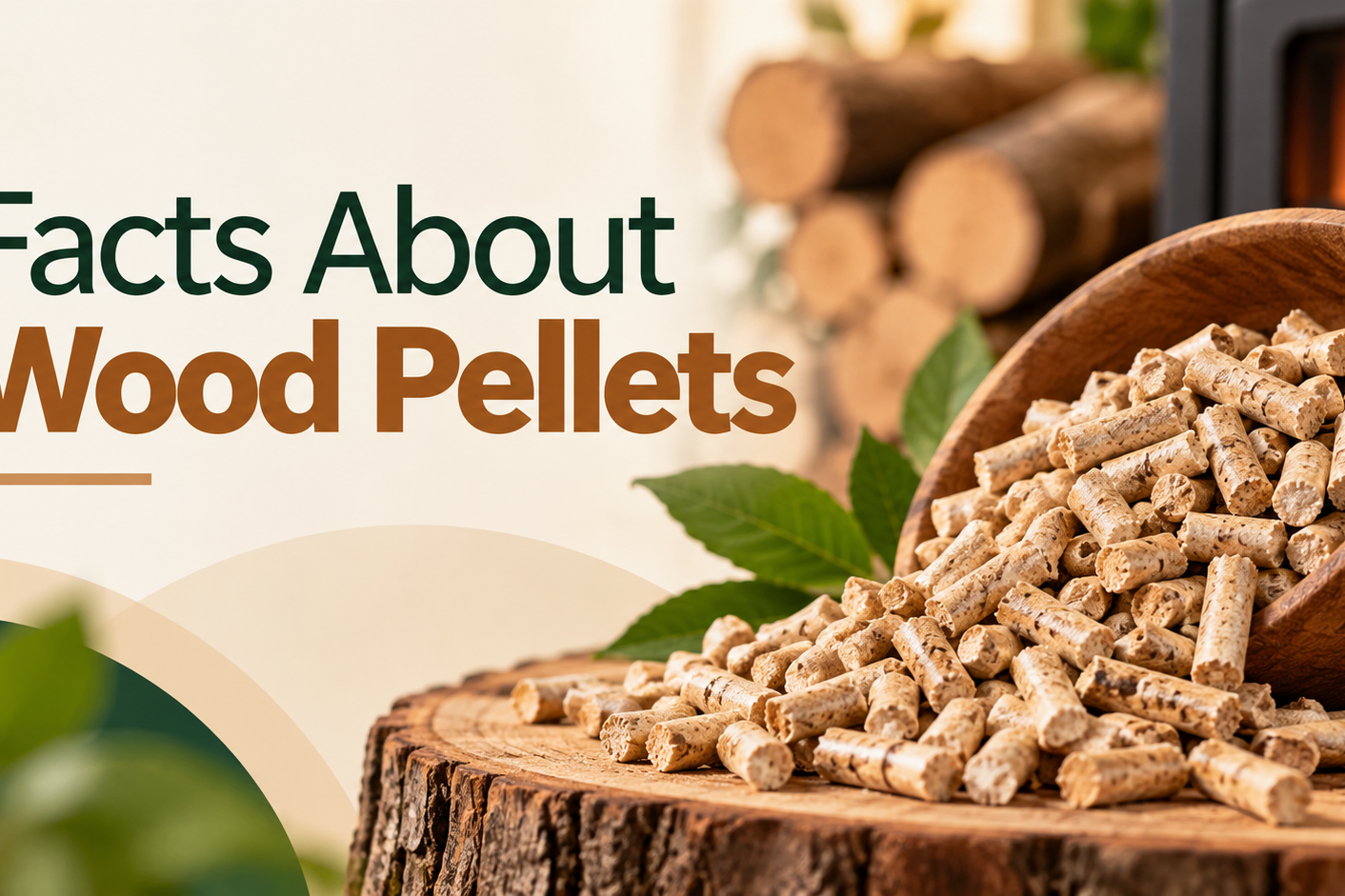
If you are curious about wood pellets and want to understand what they are and how they are made from waste wood this guide will walk you through the entire process in simple and easy to understand language.
Wood pellets are a type of biofuel that is produced by compressing small particles of wood into dense cylindrical shapes. What makes them especially interesting is that they are often made from waste wood which helps reduce wood industry waste and supports cleaner energy production.
This article explains each step of the process in a clear and practical way so that anyone can understand how waste wood becomes a valuable source of renewable energy.
What Is Waste Wood
Waste wood refers to leftover wood materials that are created during woodworking forestry and construction activities. These materials often include
• Sawdust from sawmills • Wood shavings from furniture factories • Small chips and offcuts from carpentry workshops • Branches and residues from forest thinning • Clean and untreated recycled wood
Instead of throwing these materials into landfills manufacturers collect them and convert them into wood pellets. This creates an efficient and environmentally friendly use for wood that would otherwise be discarded.
Step 1 Collecting and Sorting the Raw Wood
The process begins with gathering waste wood from different sources. This material is often mixed with unwanted items so sorting is very important. Workers and machines separate the wood from any contaminants such as nails, plastics paint or treated wood.
Only clean untreated wood can be used because it produces high quality pellets and burns safely.
Step 2 Reducing the Size of the Wood
Once the material is sorted it needs to be reduced in size. Larger pieces of wood go into a machine that cuts them into small chips. After this the chips enter another machine that grinds them into a fine sawdust like powder.
The goal is to create wood particles that are small and uniform in size. This makes pellet formation smoother and more consistent.
Step 3 Drying the Wood Particles
Waste wood often contains a lot of moisture. If the wood is too wet the pellets will not form properly. If it is too dry the pellets may become brittle. To avoid this the wood particles must be dried to a balanced and stable moisture level.
A large drying machine blows warm air through the wood particles until they reach the ideal moisture range. Proper drying also helps pellets burn more efficiently once they are used as fuel.
Step 4 Conditioning the Material
After drying the wood particles are placed in a conditioning chamber. Here the material is mixed thoroughly and moisture is adjusted if needed. Sometimes a small amount of water or steam is added to prepare the particles for compression.
Wood contains a natural substance called lignin. When heated it softens and acts like glue. This natural glue helps the particles stick together during pellet formation so no synthetic additives are needed.
Step 5 Pressing the Wood Into Pellets
This is the main step in the production process. The conditioned material enters a machine called a pellet mill. Inside the mill heavy rollers press the wood through a thick metal plate with many small holes. This plate is called a die.
The pressure and movement create heat which softens the lignin and allows the wood particles to bind together. The wood is pushed through the holes in long strands which are then cut into small even pieces. These pieces are the wood pellets.
Most pellets are a few millimeters wide and have a smooth shiny surface which shows they have been compressed properly.
Step 6 Cooling the Pellets
The pellets come out of the mill hot and soft. They are not ready to be packaged yet so they must be cooled.
A cooling machine blows air over the pellets and removes the remaining heat. As they cool the lignin hardens and the pellets become firm, strong and durable.
Step 7 Screening the Pellets
After cooling the pellets pass through a screening machine. This machine removes dust, broken pieces and very small particles called fines. Only complete intact pellets move forward to packaging. The leftover dust is usually mixed back into the production process so very little material is wasted.
Step 8 Packaging and Storing the Pellets
Once screened the finished pellets are packed in bags or stored in large containers. They can come in small bags for household users or very large bags for industries and power plants.
Pellets must be kept dry to maintain their quality. Since they have low moisture content they store well for long periods and remain a reliable fuel.
Why Waste Wood Is Used for Pellets
Using waste wood for pellet production has several important benefits.
Benefit Category
Explanation
Reduces Waste
Large amounts of sawdust and wood chips are produced daily. Turning them into pellets prevents them from ending up in landfills.
Protects the Environment
Pellets made from waste wood provide a cleaner energy option and encourage more sustainable resource use compared to fossil fuels.
Promotes a Circular Economy
Industries can reuse their own byproducts which increases the value of materials that would normally be thrown away.
Creates Efficient Fuel
Wood pellets burn evenly, have low moisture, produce steady heat, and create much less ash compared to raw wood.
Supports Renewable Energy Goals
Using pellets helps homes and industries reduce dependence on coal or oil and move toward renewable energy sources.
Key Quality Factors for Pellets
To create high quality pellets manufacturers focus on a few important factors such as
- Moisture content usually below 10 percent in finished pellets
- Pellet density usually between 600 and 750 kilograms per cubic meter
- Ash content which is ideally between 0 point 5 percent and 1 point 5 percent
These factors help determine how well pellets burn and how clean the combustion process is.
Final Summary
Wood pellets are a renewable and efficient fuel created from waste wood that would otherwise be thrown away. The process involves collecting, sorting, grinding , drying, conditioning, pressing, cooling, screening and packaging the material in a carefully controlled system.
Each step plays an important role in turning simple waste wood into a clean, reliable and environmentally friendly energy source. For anyone interested in renewable energy wood pellets are a great example of how everyday waste can become something useful and valuable.